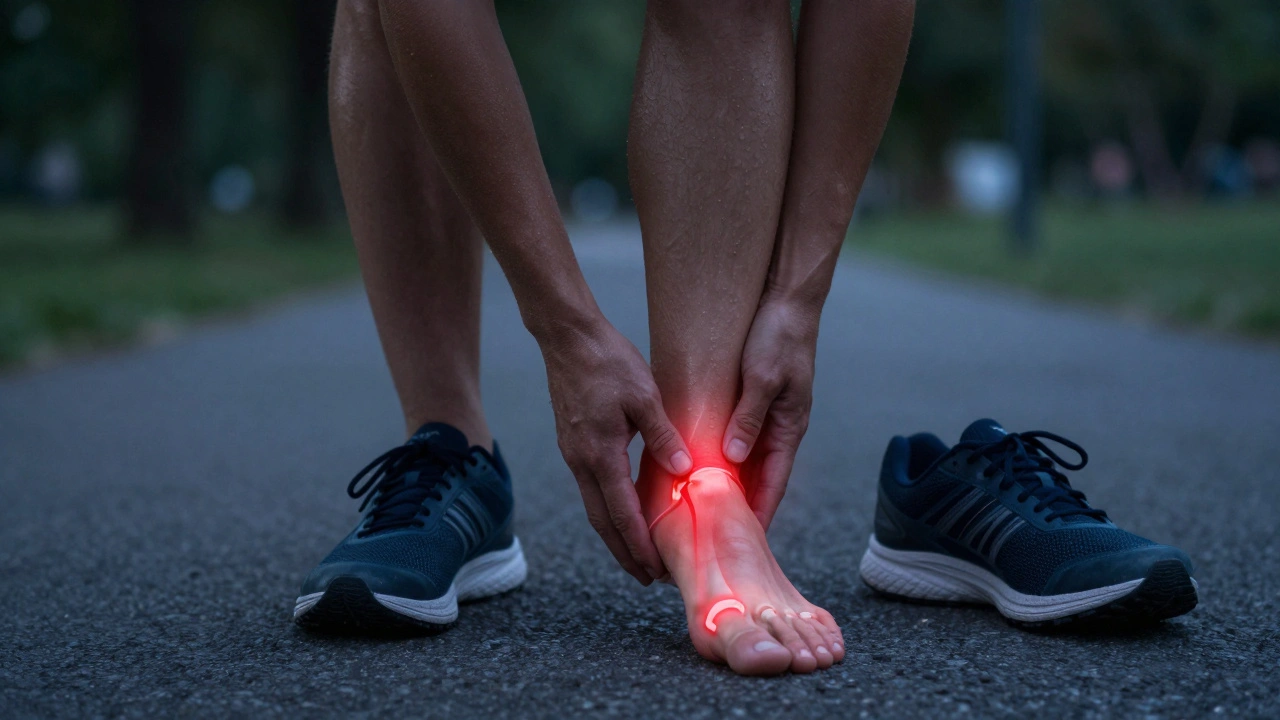
Złamanie zmęczeniowe: co to jest, jak się objawia i co robić
When you feel a dull, persistent ache in your shin, foot, or ankle that doesn’t go away with rest, it might not be just muscle fatigue. It could be a złamanie zmęczeniowe, to mikrouszkodzenie kości spowodowane powtarzającym się obciążeniem, a nie jednorazowym wypadkiem. Also known as złamanie stresowe, it happens when bones can’t repair themselves fast enough—often in runners, dancers, or even people who suddenly increased their daily steps. Unlike a broken bone from a fall, this one creeps up slowly. You might not even remember the exact moment it started.
What makes złamanie zmęczeniowe tricky is that it mimics other issues—muscle strain, tendonitis, shin splints. But there’s a difference: the pain gets worse with activity and lingers even after you stop. It’s localized, sharp when pressed, and often feels deeper than a surface ache. If you’ve been training harder, changed shoes, or started walking more after sitting all day, your bones are under pressure. And if you keep going, that tiny crack can turn into a full break. That’s why early recognition matters. You don’t need an MRI right away—sometimes a simple X-ray or bone scan is enough. But waiting too long means weeks, not days, of recovery.
People who ignore it often end up in a cast or on crutches. Others, who listen to their bodies, recover in 6–8 weeks with rest and gradual return to activity. The key isn’t just stopping—it’s knowing when to start again. A doctor will check your gait, footwear, and training load. They might suggest orthotics, strength training for calves and hips, or switching to low-impact exercises. It’s not about quitting movement—it’s about moving smarter.
Many think this only happens to elite athletes. But it’s common among office workers who start weekend hikes, moms who walk the kids to school daily, or anyone who suddenly adds steps to their routine. Your bones adapt—but only if you give them time. Pushing through pain isn’t discipline. It’s a risk.
Below, you’ll find real-life guides from people who’ve been there: how to recognize the signs early, what to ask your doctor during a visit, how to avoid misdiagnosis, and why some painkillers make it worse. You’ll also learn when a home visit from a doctor is the right move—and how to get one in Warsaw without wasting time.
Złamanie zmęczeniowe kości śródstopia to powolne, ale poważne uszkodzenie spowodowane powtarzalnym obciążeniem. Poznaj objawy, przyczyny i jak skutecznie się leczyć, żeby uniknąć chronicznego bólu.