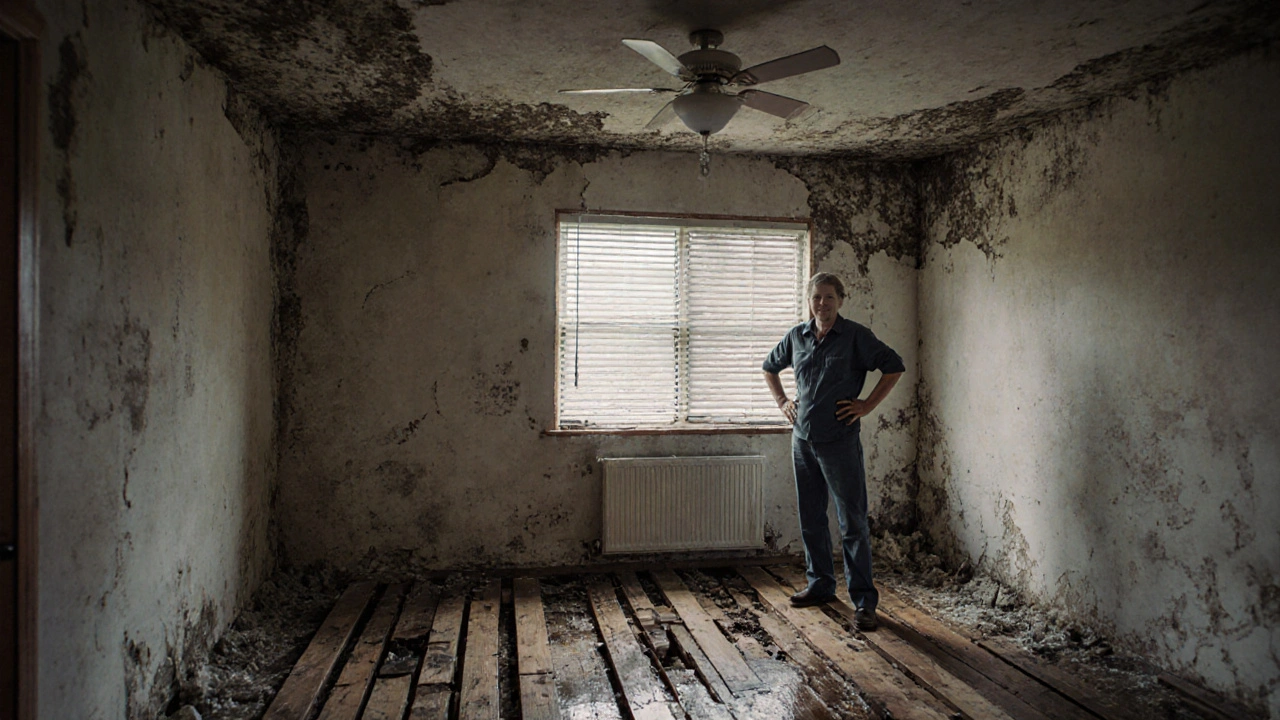
Wyjątki ubezpieczenia: co nie jest pokryte i jak się chronić
When you buy insurance, you assume you’re covered — but wyjątki ubezpieczenia, określone warunki, które wykluczają pokrycie szkód w polisie. Also known as wykluczenia ubezpieczenia, they’re not hidden fine print — they’re legal boundaries that can leave you paying out of pocket. Many people think their home insurance covers everything: water damage, theft, storm damage. But if your basement floods because you didn’t fix a leaky pipe for two years? That’s on you. If a thief walks in through an open window during a party? Often, not covered. These aren’t tricks — they’re risk management rules written in plain language, and ignoring them costs money.
ubezpieczenie domu, standardowa polisa chroniąca nieruchomość przed szkodami materialnymi rarely includes damage from neglect, lack of maintenance, or intentional actions. For example, if your roof collapses after years of ignoring moss buildup and cracked tiles, the insurer will likely deny the claim. Same with theft when doors or windows were left unlocked — especially if it’s your third time this year. Even something as simple as leaving a window open during a storm can void coverage for water damage. These aren’t edge cases. They’re common enough that insurers track them in their claims databases.
And it’s not just about physical damage. co nie jest objęte, zbiór sytuacji, które polisa celowo wyklucza z pokrycia includes things like wear and tear, pests, or damage from unregistered renovations. If you converted your garage into a living space without permits, and it catches fire? Don’t expect compensation. If your dog chews through wiring and causes a short circuit? That’s typically excluded too. Insurers aren’t trying to be cruel — they’re trying to avoid paying for preventable problems. But if you don’t know the rules, you’re the one who pays.
Knowing your policy isn’t about reading 40 pages of legalese. It’s about asking two simple questions: "What won’t they pay for?" and "What can I do to make sure I’m covered?" Look for terms like "brak konserwacji," "zaniedbanie," or "uszkodzenia spowodowane nieprawidłowym użytkowaniem." These are red flags. If your home is older than 15 years, check if your policy has a clause for "starość budowy." Some insurers will only cover repairs up to a certain age. Others require proof of recent inspections. Don’t assume — ask for a summary in plain Polish.
The good news? You’re not powerless. Most exclusions can be addressed. Add extra coverage for flooding. Install alarm systems to reduce theft exclusions. Keep maintenance logs. Document repairs. Insurers often lift restrictions if you prove you’re proactive. And if you’re unsure, don’t guess — call your agent. A 10-minute conversation can save you thousands.
Below, you’ll find real-life guides on what happens when insurance says no — from flooded basements to stolen bikes left in unlocked garages. These aren’t hypotheticals. They’re stories from people who learned the hard way. And they’ll help you avoid the same mistakes.
Ubezpieczenie domu nie pokrywa wszystkiego. Dowiedz się, czego nie obejmuje: brak konserwacji, woda gruntowa, szkody od zwierząt, sąsiadów, wartościowych przedmiotów i działań wojennych. Uniknij niespodzianek.